Entertainment used to be a place you went to.
You went to a jazz club to hear musicians play. You went to a cinema to watch a movie. You went to a stadium to watch a match.
Today, entertainment can come to you.
A phone can bring music, sports, videos, live updates, and online platforms into your hands within seconds. You do not always need to travel somewhere or wait for a particular time.
This change has created new opportunities for audiences, musicians, sports fans, and digital businesses. It has also created some difficult questions about money, attention, privacy, and the future of live entertainment.
The Jazz Club Was Once the Main Meeting Point
Jazz is a good example of how entertainment used to work.
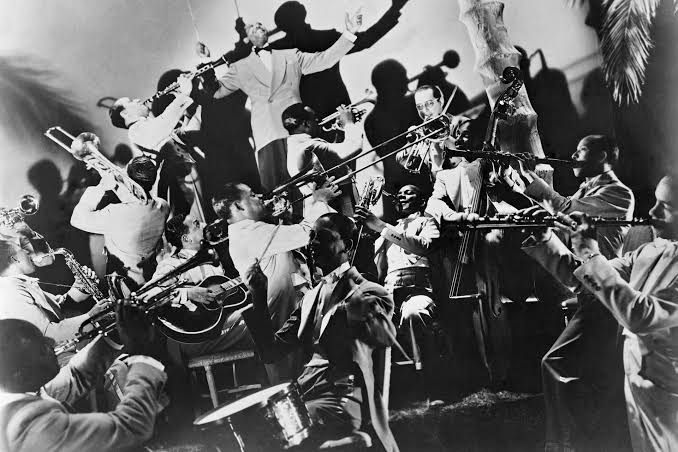
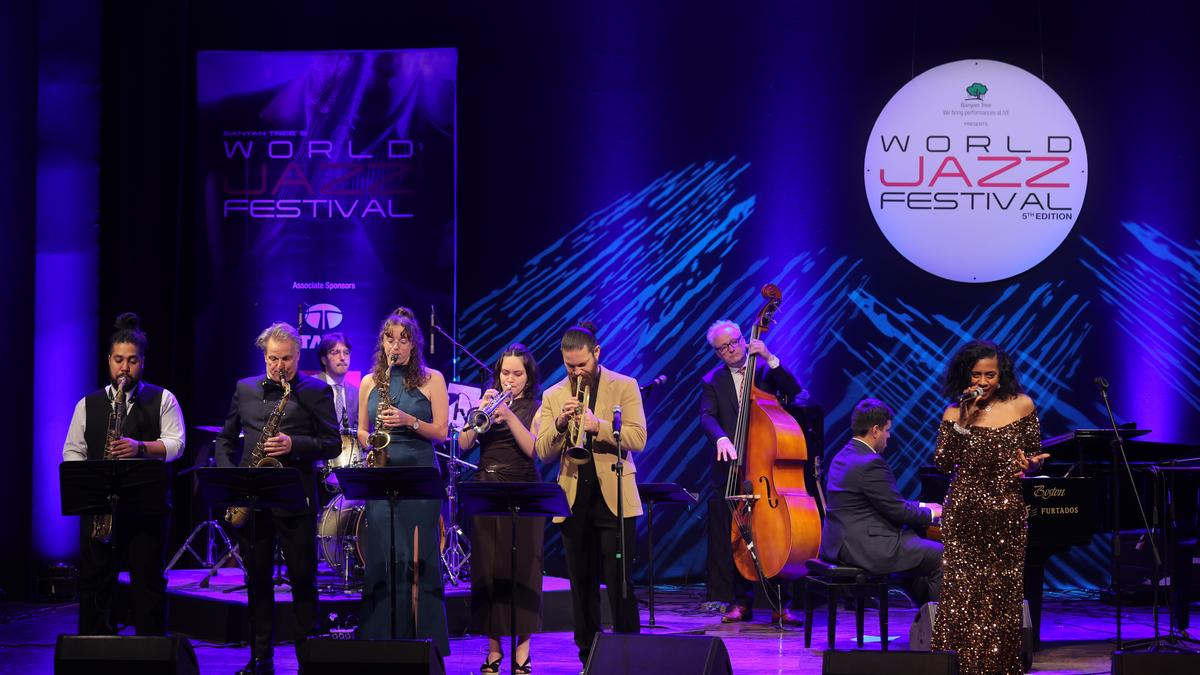
A musician played in a club. People came to the club. They bought a ticket or paid for food and drinks. The musician performed in front of a real audience.
The experience was personal.
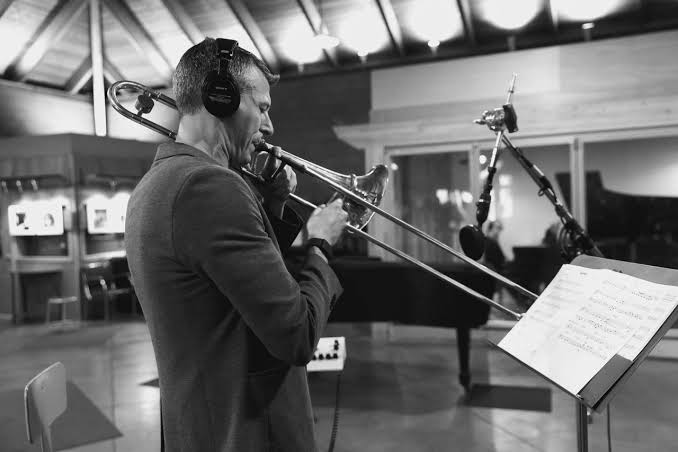
You could see the musician playing an instrument right in front of you. You could hear the room react. Sometimes the performance could change depending on the mood of the audience.
That is something digital entertainment cannot completely copy.
A recording can sound excellent, but it does not give you the same feeling as sitting a few feet away from a live musician.
That is why jazz clubs and other live venues still matter.

Then the Internet Changed Everything
The internet removed one major limitation.
Distance.
A musician no longer needs every listener to live in the same city.
A performance can be recorded in New York and watched by someone in London. A small jazz group can share its work with listeners across the world.
This has made it easier for people to discover artists they would never have heard about through traditional channels.
For musicians, that can be a huge opportunity.
A person who has never walked into a jazz club may discover jazz through a short video on their phone.
That person might then listen to an album, follow the artist, and eventually attend a live show.
The digital world can therefore become a doorway to the live world.
Modern Audiences Want Convenience
People are busy.
They work, study, travel, take care of families, and deal with dozens of other responsibilities.
Because of this, convenience has become one of the biggest factors in entertainment.
If someone wants to listen to music during a morning commute, they can.
If they want to check a football score during lunch, they can.
If they want to watch a performance at home, they can.
The audience no longer has to organize their entire day around entertainment.
Entertainment now fits into the day.
Sports Have Gone Through the Same Change
Music is not the only industry affected.
Sports have changed dramatically too.
Fans once depended heavily on television and newspapers for information.
Today, a sports fan can follow a team through a smartphone throughout the entire day.
They can check the lineup before a match.
They can see live scores during the game.
They can read player news.
They can watch highlights moments after something important happens.
Digital sports platforms have also created new ways for fans to interact with sports.
Online betting platforms such as Betonklik, where legally available, are part of this wider digital entertainment environment.
The important difference is that betting involves financial risk, so users should always check local laws, age requirements, platform terms, and responsible gambling tools before using such services.

6
The Audience Is No Longer Just Watching
This is perhaps the biggest change.
Modern audiences participate.
They comment on videos.
They share performances.
They post reactions to matches.
They discuss musicians on social media.
They create their own videos.
They join online communities.
A person watching a jazz performance online can immediately tell friends about it.
A football fan can react to a goal and see thousands of other reactions within seconds.
Entertainment has become a conversation rather than a one-way experience.
This Creates New Opportunities for Musicians
For musicians, digital platforms can be extremely useful.
A jazz artist can now promote a new song without depending entirely on newspapers, radio stations, or record companies.
They can share:
Live performance clips
Behind-the-scenes videos
New recordings
Interviews
Upcoming show information
Music education content
This can help musicians build a direct relationship with listeners.
But there is a catch.
An audience does not automatically equal a sustainable income.
A musician might have thousands of followers and still struggle to pay basic expenses.
That is why the financial side of the music industry remains important.
Attention Is Valuable, But It Is Not the Same as Income
This is something modern entertainment businesses sometimes forget.
A view is not necessarily a sale.
A follower is not necessarily a customer.
A viral video does not automatically create a long-term career.
For musicians, the real challenge is turning attention into sustainable opportunities.
That could mean ticket sales, performances, teaching, merchandise, licensing, subscriptions, or other legitimate income sources.
Digital platforms can help musicians find people.
They cannot automatically solve the financial problems of musicians.
Live Entertainment Still Has Something Special
With so much entertainment available online, it might seem like live venues should disappear.
That has not happened.
People still go to concerts.
They still visit jazz clubs.
They still attend sports matches.
Why?
Because people want to be around other people.
There is something special about sharing an experience with a room full of strangers who are all listening to the same song or watching the same moment.
A screen can show you the performance.
It cannot completely recreate the feeling of being there.
Online Platforms Can Actually Help Live Venues
The relationship between online and offline entertainment does not have to be a competition.
They can support each other.
Imagine someone discovers a jazz musician through a social media video.
They become a fan.
They see that the musician is performing at a local club.
They buy a ticket.
The online platform helped create a real-world customer.
The same thing happens in sports.
A fan might discover a team through online content and later buy a ticket to watch them live.
Digital discovery can therefore bring people back to physical venues.
The Experience Is Becoming More Personal
Modern platforms also give people more control over what they consume.
One person can spend an evening listening to jazz.
Another can watch football highlights.
Someone else might follow tennis.
People are not forced to consume the same entertainment at the same time.
Algorithms and personalized recommendations make it easier to discover content that matches individual interests.
This can be useful, but it also has a downside.
If platforms keep showing us more of what we already like, we may stop discovering things outside our usual interests.
Sometimes the best entertainment is something you did not know you wanted.
Digital Entertainment Also Brings New Problems
The shift to online entertainment is not perfect.
There are concerns about privacy, misinformation, addictive platform design, and financial risks.
This is especially important with online betting.
The fact that a betting platform is available on your phone does not mean you need to use it.
If someone chooses to bet, they should decide their budget before starting and never use money needed for essential expenses.
They should also avoid chasing losses.
A smartphone makes access easy. It does not make the outcome predictable.
What Can Musicians Learn From This Change?
Musicians do not have to choose between a traditional career and digital platforms.
They can use both.
A jazz musician can perform at a club and share clips from that performance online.
They can build an audience through digital channels and then invite that audience to live shows.
They can use social media to promote new music.
They can use online communities to stay connected with fans.
But they should also think about fair compensation.
The growth of digital entertainment should not mean that musicians receive attention while someone else receives most of the financial benefit.
What Audiences Should Expect Next
Entertainment is likely to become even more connected.
Music, sports, social media, streaming, mobile apps, and live events will continue to overlap.
A person may discover an artist through a short video, listen to their music through a streaming service, watch a live performance online, and later attend a concert.
The same person may follow sports through a mobile app, watch a match through streaming, discuss it online, and explore other digital sports services.
The lines between different entertainment industries are becoming less clear.
The Human Side Still Matters
Technology can make entertainment faster.
It can make it cheaper.
It can make it easier to discover.
But people still want connection.
They want to hear musicians perform.
They want to laugh with friends.
They want to celebrate a goal with other fans.
They want to feel like they are part of something.
That is something no algorithm can completely replace.
Final Thoughts
The journey from jazz clubs to online platforms is not really about one replacing the other.
It is about adding more ways for people to connect with entertainment.
A jazz club gives musicians and audiences a shared physical experience.
An online platform gives them reach.
A smartphone gives people access almost anywhere.
Together, these changes have created an entertainment industry that is more connected than ever.
The challenge now is making sure that this growth benefits the people creating the entertainment as well as the platforms distributing it.
For audiences, the future offers more choice than ever.
For musicians, it offers new ways to find listeners.
And for the entertainment industry as a whole, the next challenge is simple: keep the convenience of digital entertainment without losing the human connection that made live entertainment special in the first place.