The entertainment industry has changed faster than many people expected.
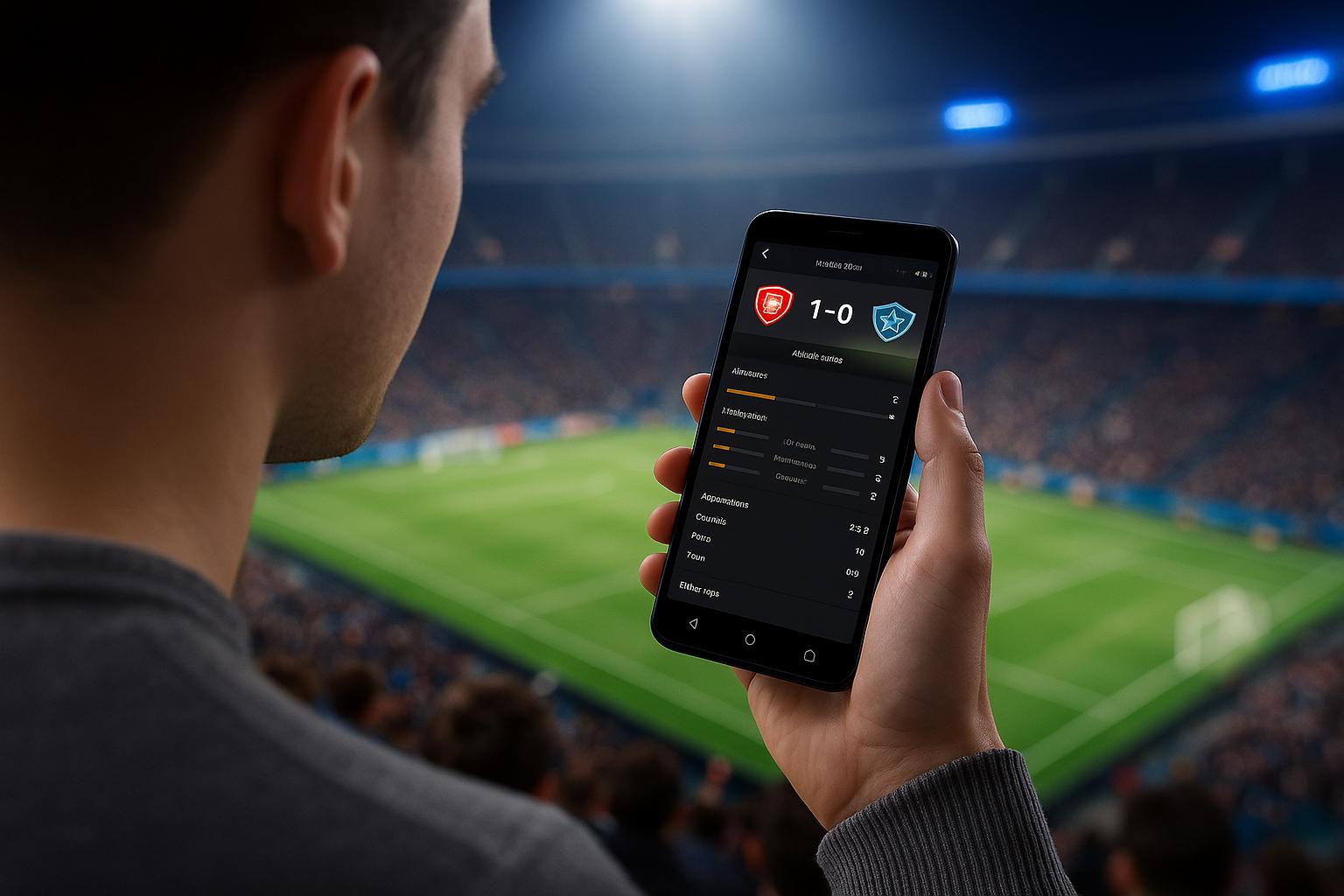
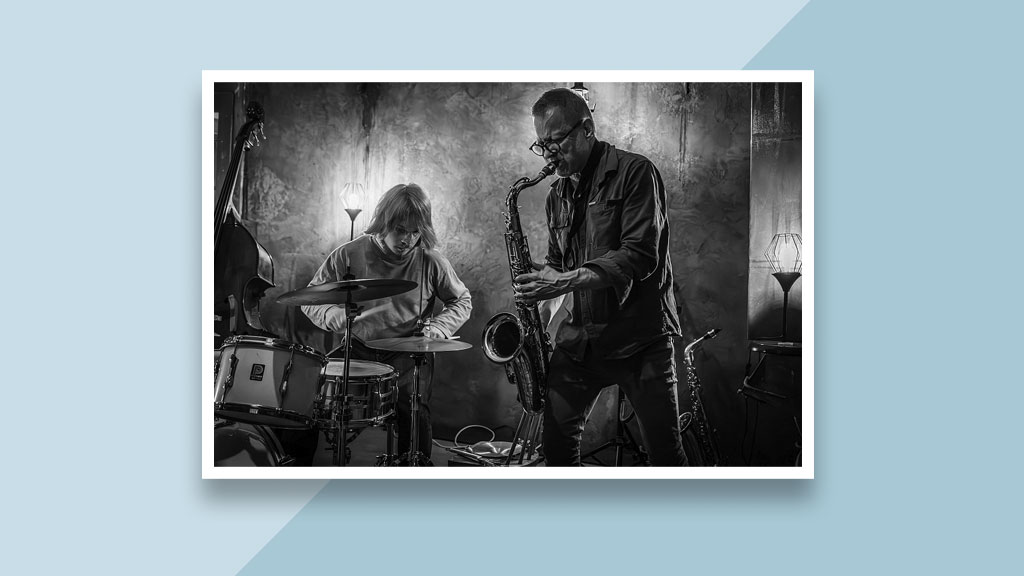
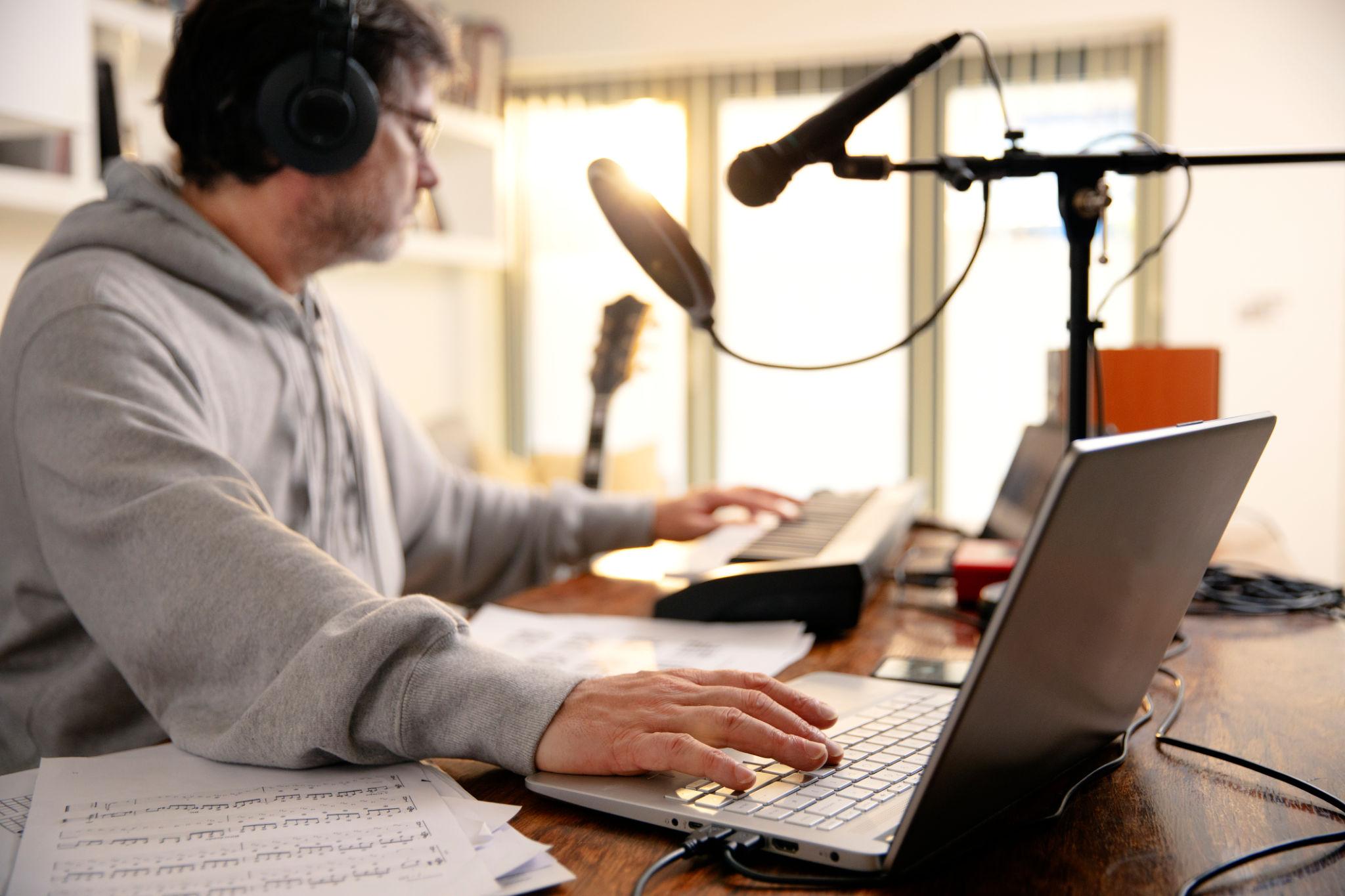
A musician can record a song in a small room and reach listeners in another country. A jazz group can promote a live show through social media. A sports fan can follow a match from a phone. Digital platforms have made entertainment easier to discover, easier to access, and much more connected.
Betting platforms such as Betonklik are part of this wider shift toward digital entertainment. Its current online presence focuses on gaming and sports betting, showing how entertainment platforms are increasingly designed around mobile access and a wide range of digital experiences.
For musicians, there are some useful lessons here. Not because music and betting are the same thing, but because both industries are competing for something very valuable: people’s attention.
Audiences Are Already Online
A musician does not have to wait for someone to walk into a jazz club anymore.
People discover music while scrolling through their phones, watching videos, searching for artists, or listening to playlists.
That creates a huge opportunity.
A jazz musician can post a short performance clip today and potentially reach people who have never heard their name before.
The important part is consistency.
One video may get very little attention. Another might suddenly reach thousands of people.
The lesson is simple: musicians should make it easy for people to discover them.
That could mean sharing short performance clips, rehearsal moments, interviews, upcoming show announcements, or small stories about the music.
Convenience Has Become Part of the Product
Digital platforms have trained audiences to expect convenience.
People do not want complicated navigation. They want to find what they are looking for quickly.
The same expectation applies to musicians.
Imagine someone discovers a jazz artist on Instagram or YouTube.
They like the performance and want to hear more.
What happens next?
If they cannot quickly find the artist’s music, website, upcoming shows, or social accounts, they may simply move on.
A musician’s digital presence should therefore answer basic questions quickly:
Who are you?
What music do you make?
Where can people listen?
Where are you performing?
How can people follow you?
A simple online setup can make a surprisingly big difference.

6
Mobile Should Be Treated as the Main Screen
The phone is no longer a secondary device.
For many people, it is the first screen they use for entertainment.
That means musicians should check how their websites and content look on mobile devices.
Try this practical test.
Open your website on your phone.
Can you see your latest song immediately?
Can you find your next live show?
Can someone tap once to listen to your music?
Can they find your social media accounts?
If the answer is no, there is room for improvement.
A complicated website may look impressive on a desktop but still lose visitors on a phone.
Short Content Can Open the Door to Longer Experiences
People have limited attention.
That does not mean they do not want longer music.
It means they often need a reason to start listening.
A 20-second performance clip can introduce someone to a musician.
If the clip is interesting, the listener may then search for the full performance.
This creates a simple content path:
Short clip → artist discovery → full song → live performance → loyal listener
Musicians can use this without changing what they actually create.
The short content is simply the doorway.
The music remains the main experience.
Digital Platforms Understand the Value of Variety
One reason digital entertainment platforms attract attention is variety.
Users can find different games, sports, markets, and entertainment options in one place. Betonklik’s own current materials, for example, describe sports betting alongside casino and other gaming categories.
Musicians can apply a similar principle without copying the business model.
A musician does not need to post the same type of content every day.
They could share:
Live performances
Studio recordings
Behind-the-scenes clips
Artist interviews
Old recordings
Upcoming show announcements
Stories behind particular songs
This gives audiences multiple ways to connect with the artist.
But More Content Is Not Always Better
There is a trap here.
Once musicians realize they need an online presence, they may start posting everything.
That can become exhausting.
A better approach is to create a simple content routine.
For example:
Monday: short performance clip
Wednesday: behind-the-scenes post
Friday: full performance or music release
Weekend: upcoming show or audience interaction
The exact schedule does not matter as much as being realistic.
A musician who can consistently publish twice a week is better off than someone who posts ten times one week and disappears for a month.
Digital Attention Should Lead Somewhere
Getting views is nice.
Building a relationship is better.
Suppose a jazz musician gets 50,000 views on a video.
That sounds impressive.
But what happens next?
If none of those viewers know where to hear more music or see the next performance, most of that attention disappears.
Every piece of content should give interested people somewhere to go.
That could be:
An artist website
A streaming profile
A mailing list
A concert page
A social media profile
A ticket page
This turns random attention into a real audience.

6
Live Music Still Has an Advantage
Digital platforms are powerful, but they cannot completely replace live entertainment.
A person watching a jazz performance through headphones does not get exactly the same experience as someone sitting in a club.
Live music has atmosphere.
There is interaction between musicians.
There is interaction between musicians and the audience.
There can be improvisation.
Sometimes something unexpected happens.
That is part of what makes jazz special.
Musicians should therefore use digital platforms to promote live experiences rather than assume digital content has to replace them.
A simple example is a musician posting a rehearsal clip and then inviting followers to see the full performance at a local venue.
The online content creates interest.
The live show creates the deeper experience.
Audience Data Can Help Musicians Make Better Decisions
Digital platforms provide something traditional entertainment could not provide as easily: feedback.
Musicians can see which videos receive the most attention.
They can see where listeners are located.
They can see which songs people replay.
They can identify which posts lead to website visits.
This information can be useful.
Suppose a musician notices that live saxophone performances receive twice as much engagement as studio photographs.
That tells them something.
They may want to create more performance content.
But data should be used as a guide, not as the entire creative process.
If musicians only create whatever gets the most clicks, they can eventually lose the artistic identity that made people interested in them in the first place.
Attention Does Not Automatically Mean Fair Pay
This is one of the biggest lessons musicians should remember.
Digital visibility can be valuable, but visibility is not the same as income.
A musician might have thousands of followers and still struggle financially.
That is why discussions about fair compensation remain important in the music industry.
Organizations and campaigns supporting jazz musicians have long focused on economic fairness and better working conditions. The Justice for Jazz Artists movement is an example of this broader effort to improve the financial security of jazz musicians.
Digital growth should ideally create better opportunities for artists, not simply more unpaid content.
Musicians Should Build Something They Control
Social media platforms can change their algorithms at any time.
A musician might receive thousands of views today and almost none tomorrow.
That is why relying entirely on one platform is risky.
Build an audience you can reach directly.
An email list is one example.
A simple website is another.
A database of past concert attendees can also be valuable, provided people have given appropriate permission to be contacted.
The goal is not to abandon social media.
It is to avoid depending entirely on it.
Online Entertainment Also Shows the Importance of User Experience
Platforms compete heavily on user experience.
If something is slow, confusing, or difficult to navigate, users leave.
Musicians can learn from this.
Their websites should load quickly.
Music should be easy to find.
Important information should not be buried.
Concert dates should be clearly displayed.
Contact information should be easy to locate.
This sounds basic, but many artist websites still make visitors work too hard.
If someone needs five clicks to find the next concert, they may never get there.
Responsible Digital Entertainment Matters Too
There is another lesson that should not be ignored.
Digital entertainment is powerful because it is always available.
That can be useful, but it can also encourage excessive use.
This is particularly relevant to betting platforms.
Someone using an online betting service should treat betting as entertainment, not as guaranteed income. They should understand the rules, check whether the service is legal in their location, set a spending limit, and avoid chasing losses.
The same principle applies more broadly to digital entertainment.
More access does not always mean more is better.
What Musicians Can Take Away
There are several practical lessons here.
Make yourself easy to discover.
Use digital platforms to introduce your music to people who have never heard it.
Make the next step obvious.
If someone likes your video, make it easy for them to find your music or next show.
Think mobile first.
Check everything from a phone before assuming your digital presence works.
Use different content formats.
Give people performances, stories, recordings, and behind-the-scenes material.
Build an audience you can reach directly.
Do not rely entirely on social media algorithms.
Use data without losing your identity.
Analytics can show what attracts attention, but your music should still sound like you.
Keep live performances important.
Digital content can bring people through the door, but live music creates a connection that a screen cannot fully reproduce.
The Bigger Lesson
The rise of digital entertainment platforms is not really about betting, music, or sports individually.
It is about changing audience behavior.
People want entertainment that is accessible, fast, mobile, personalized, and easy to discover.
Musicians can either fight that change or use it.
The smarter option is to use digital tools without losing the human side of music.
A jazz musician does not need to become an influencer.
They need to make it easier for the right people to discover their work.
That might mean one excellent performance clip, a simple website, a well-promoted concert, or a direct connection with a listener.
Sometimes the technology is not the main story.
The technology simply helps the audience find the artist.
Final Thoughts
Platforms like Betonklik show how quickly entertainment has moved toward digital, mobile, and highly accessible experiences.
Musicians can learn from that shift without copying it.
The important lessons are convenience, accessibility, variety, strong user experience, and direct audience connection.
But there is one thing digital entertainment cannot replace.
The human experience.
A jazz musician standing on a stage, playing with other musicians, and connecting with an audience is still something special.
The best future for musicians is probably not purely digital.
It is a combination of digital discovery and real-world connection.
Use the phone to get people interested.
Use the internet to build relationships.
Then give them a reason to come back to the music.