The way people enjoy entertainment has changed a lot.
A few years ago, you might have gone to a jazz club to hear a musician play. You might have watched a football match on television with friends. If you wanted to follow a particular artist or team, you had to wait for the next performance, newspaper article, or television broadcast.
Now, a phone can bring all of that closer.
You can listen to a jazz recording while travelling to work. You can watch a live sports update during lunch. You can follow an artist on social media, check a team’s latest news, or explore digital entertainment platforms from the same device.
This change is creating new opportunities for both musicians and sports-related businesses. It is also changing what audiences expect from entertainment.
People Want Entertainment Wherever They Are
Think about how people spend a normal day.
Someone might listen to music while commuting. During a break, they may check sports scores. In the evening, they might watch a live performance or follow a match online.
The important part is that none of this requires sitting in one particular place.
Smartphones have made entertainment portable.
This has also helped digital platforms such as Betonklik become part of the wider online entertainment market. People are increasingly comfortable using digital services from their phones rather than waiting until they reach a computer.
Of course, betting services are subject to age restrictions and local laws, so users should always check whether a service is legally available where they live.
Jazz Has Always Been About Connection
Jazz is a good example of entertainment that depends on a strong connection between artists and audiences.
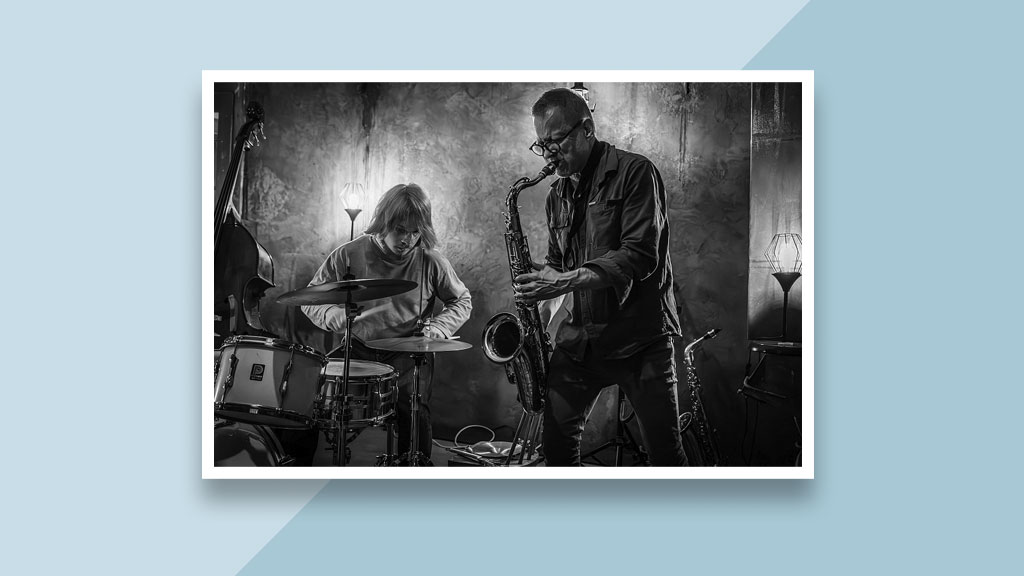
A live jazz performance is not simply a recording being played in the background. The musicians react to one another. The audience reacts to the performance. Every night can feel slightly different.
That connection is one reason live music still matters.
Digital platforms have not removed that relationship. In many cases, they have simply created another way for people to discover artists.
Someone might hear a jazz musician online for the first time and later decide to attend a live performance.
That can be a valuable path for artists trying to reach new listeners.

6
Digital Platforms Can Help Artists Reach People Outside Their City
A local jazz musician once depended heavily on local venues.
If you wanted to hear that musician, you usually had to be in the same city.
The internet changed that.
A performance can now be recorded and shared with people thousands of miles away.
A musician in New York can reach a listener in London.
A small jazz group can build an audience without relying only on people who happen to live nearby.
This does not mean digital platforms solve every problem musicians face. Fair payment and sustainable careers are still important issues. The Justice for Jazz Artists campaign, for example, has focused on better economic conditions for jazz musicians, including pension support.
The technology may create more reach, but artists still need fair systems behind that reach.
Sports Fans Have Changed Too
The same thing is happening with sports.
People no longer depend only on television broadcasts.
They follow teams through websites, social media, mobile apps, streaming services, and live score platforms.
A football fan can know about an injury before the match even starts.
A cricket fan can follow the score while travelling.
A basketball fan can see a major play almost immediately after it happens.
The sports experience has become much faster.
This has also created space for online betting platforms such as Betonklik, where available and legal, because betting can now be accessed through the same devices people use to follow sports.

8
Music and Sports Are Becoming More Interactive
There is another big change.
Audiences are no longer just watching or listening.
They are reacting.
A person can comment on a performance, share a song, discuss a player, post a match reaction, or join an online community while an event is happening.
That makes entertainment feel more social.
Imagine watching a football match alone.
You may still feel connected because thousands of other fans are discussing the same goal online.
The same thing can happen with music.
A new jazz performance can be shared online, discussed by listeners, and discovered by people who have never visited the club where it was recorded.
Convenience Has Become a Major Factor
People are busy.
That sounds simple, but it has changed the entertainment industry.
If someone can listen to music in five seconds on their phone, they are less likely to wait until they get home.
If someone can check a sports result immediately, they do not need to wait for the evening news.
Digital platforms have succeeded partly because they fit into existing routines.
They do not always ask people to change their schedules.
Instead, they fit entertainment into the schedules people already have.
But More Access Does Not Always Mean Better Experiences
There is a downside.
When entertainment is available all the time, it can become difficult to switch off.
A person can spend hours scrolling through music videos.
A sports fan can constantly check scores.
Someone using online betting services can keep returning to a platform throughout the day.
That is why users need boundaries.
If you use a betting platform, set a spending limit before you start and never use money needed for rent, food, bills, or other important expenses.
Do not chase losses by adding more money.
The same idea applies to screen time. Entertainment should fit into your life, not take over your life.
Digital Reach Can Help Musicians, But It Does Not Replace Live Music
This is especially important for jazz.
There is something different about sitting in a small room and hearing musicians play in front of you.
You can hear the instruments directly.
You can watch the musicians react to each other.
You can feel the audience responding.
A recording can capture part of that experience, but not all of it.
Digital platforms should therefore be seen as another way to connect artists and audiences, rather than a complete replacement for live music.
The two can work together.
A listener might discover an artist online and later buy a ticket to see that musician perform.
That is a much healthier relationship between technology and live entertainment.
What This Means for Musicians
Musicians now have more ways to reach audiences than previous generations did.
They can:
Create short performance videos.
Share recordings.
Build social media communities.
Promote live shows online.
Connect with listeners in different countries.
Work with other artists remotely.
But there is still an important question.
How does the artist actually benefit?
More views do not automatically mean a sustainable career.
More followers do not automatically pay the rent.
This is why conversations around fair compensation remain important.
Recent discussions in jazz have also looked at new digital models where audience engagement can directly support artists, educators, and the wider jazz ecosystem.
The technology is useful, but the business model behind it matters just as much.
What This Means for Sports Fans
Sports fans also have more control over how they follow their favorite teams.
They can choose the information they want.
They can follow multiple leagues.
They can watch highlights instead of waiting for a full broadcast.
They can join online discussions.
And where legal and appropriate, they can explore sports betting platforms such as Betonklik.
But more options require more responsibility.
A fan does not need to bet simply because a betting option is available.
Watching the match can be enough.
And if someone chooses to bet, it should remain an entertainment expense rather than a plan for making regular income.
The Future Will Be More Connected
The next stage of digital entertainment will probably bring music, sports, video, social communities, and interactive features even closer together.
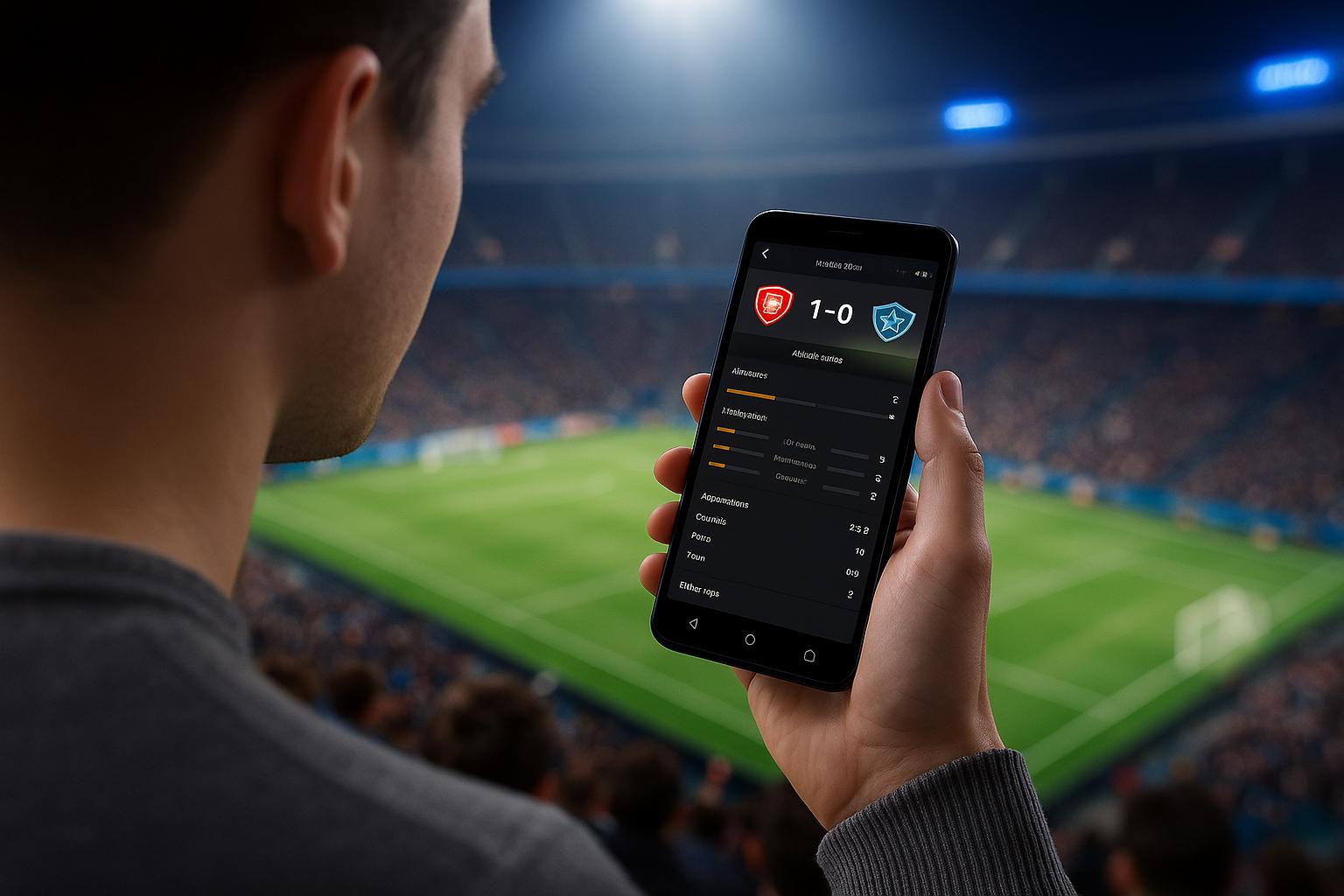
A sports fan might watch a match while seeing live statistics on the same screen.
A music fan might discover an artist through a short video and immediately find a live performance nearby.
A jazz club might use online content to attract people who have never heard of the venue.
These changes can be useful because they make discovery easier.
But the human side should not disappear.
People still want to hear real musicians.
They still want to sit with friends and watch a match.
They still want to attend concerts.
Technology works best when it helps people discover those experiences rather than replacing them completely.
A Simple Example
Imagine a young person who has never listened to much jazz.
One evening, they see a short video of a saxophone performance online.
They like it.
They search for the musician.
They discover a local jazz club.
A few weeks later, they attend a live performance.
Now imagine the same thing with sports.
Someone starts following a football team through short videos.
They begin checking match results.
Eventually, they start watching full games with friends.
Digital content introduced them to something they might otherwise have missed.
That is the real power of digital entertainment.
It can turn a stranger into an audience member.
The Real Challenge Is Making That Connection Sustainable
Getting someone’s attention is only the first step.
The harder part is keeping the relationship healthy.
For musicians, that means finding ways to turn attention into fair income and long-term opportunities.
For sports platforms, it means giving users useful information while encouraging responsible use.
For audiences, it means being selective about how they spend their time and money.
The technology is already here.
The bigger question is how the industry chooses to use it.
Final Thoughts
Digital entertainment has changed the relationship between audiences and the things they enjoy.
Music can travel across borders in seconds.
Sports updates can reach fans almost instantly.
Artists can find audiences outside their local communities.
Sports platforms such as Betonklik show how far digital entertainment has expanded, while live jazz continues to show why the human connection still matters.
The future does not have to be about choosing between digital and real-world entertainment.
The better future is one where technology helps people discover artists, support live performances, follow sports, and enjoy entertainment without losing control of their time or money.
That balance will matter more than the technology itself.